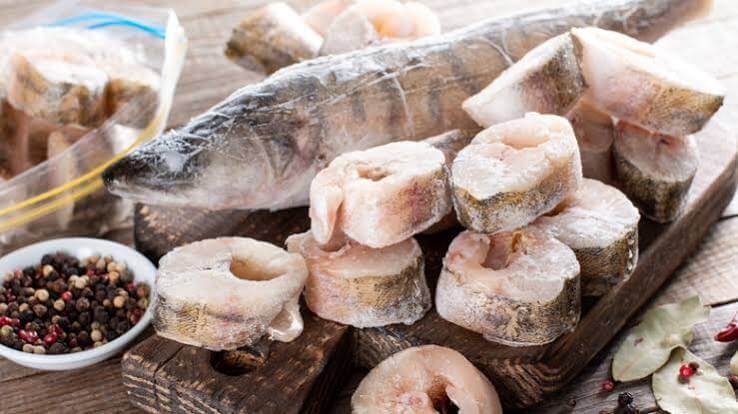
Getting the best results from frozen seafood involves matching the right cooking technique to the specific type you’re working with, since fish, shrimp, squid, and shellfish each respond differently to various cooking methods.
Pan-Searing Fish Fillets for Crisp Results
Pan-searing works wonderfully for firmer fish fillets, delivering a crisp exterior while keeping the interior tender, provided the fillets are properly thawed and patted dry beforehand, since excess moisture can prevent the fish from achieving that satisfying sear you’re aiming for when cooking frozen seafood this way.
Steaming for Delicate Flavor Preservation
Steaming represents a wonderfully gentle cooking method that preserves seafood’s natural delicate flavors without adding significant additional fat, making it a popular choice for lighter fish varieties and a technique deeply rooted in many Cantonese seafood preparation traditions.
Stir-Frying Shrimp and Squid for Quick Results
Stir-frying suits quick-cooking seafood like shrimp and squid particularly well, since the high heat and fast cooking time develops good flavor while avoiding the overcooking that can make these items tough and rubbery if left in the pan too long.
Poaching for Tender, Moist Results
Poaching seafood gently in liquid, whether water, broth, or a flavored poaching liquid, produces particularly tender, moist results well suited to more delicate fish varieties that might dry out or fall apart using higher-heat cooking methods.
Grilling for Bold, Charred Flavor
Grilling works well for heartier seafood varieties that can hold together on a grill grate, delivering distinctive charred flavor that many diners specifically enjoy, though this method requires more attention to prevent the seafood from drying out during the cooking process.
See also: AHK-Cu After the 2026 Crackdown: A Guide to Who’s Left, and Why It Matters Where You Get It
Adding Seafood Directly to Soups and Stews
Many seafood varieties can be added directly toward the end of soup or stew preparation, allowing the residual cooking liquid heat to complete cooking without requiring separate preparation, an efficient technique that also allows the seafood to infuse additional flavor into the broth itself.
Avoiding Common Overcooking Mistakes
Seafood generally cooks faster than many home cooks initially expect, and overcooking represents one of the most common mistakes, resulting in tough, rubbery texture rather than the tender results properly cooked seafood should deliver, making attentive cooking time management particularly important.
Conclusion
Matching appropriate cooking techniques to specific frozen seafood types helps ensure consistently satisfying results across your favorite dishes. Understanding which methods suit which seafood varieties, and avoiding common overcooking mistakes, supports more confident, successful seafood cooking at home.
FAQs
Q1: What cooking method works best for firmer fish fillets? Pan-searing delivers a crisp exterior while keeping the interior tender, provided the fillets are properly thawed and dried before cooking.
Q2: Why is overcooking such a common mistake with seafood? Seafood generally cooks faster than many home cooks expect, and overcooking results in tough, rubbery texture rather than the tender results properly cooked seafood should have.
Q3: Can seafood be cooked directly in soups without separate preparation? Yes, many seafood varieties can be added directly toward the end of soup or stew preparation, allowing residual heat to complete cooking efficiently.
