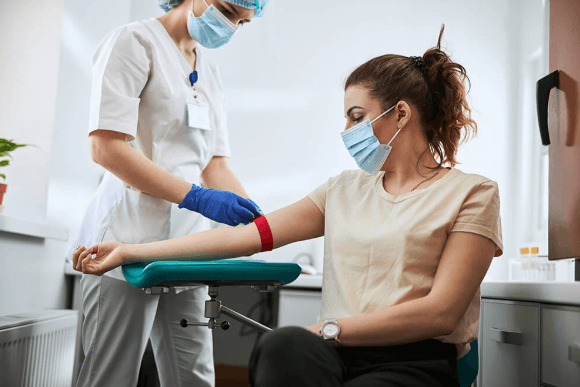
Phlebotomy is the practice of drawing blood from patients for laboratory testing, blood donation, medical research, and certain treatments. While collecting a blood sample may appear to be a relatively simple procedure, it requires knowledge of anatomy, infection prevention, specimen handling, patient identification, and safety procedures. The professionals who routinely perform this work are commonly called phlebotomists.
Phlebotomists can work in hospitals, medical laboratories, physician offices, blood donation centers, clinics, and other healthcare environments. Their responsibilities often extend beyond inserting a needle and collecting blood. They may need to prepare equipment, verify patient information, label specimens accurately, follow infection-control procedures, and help patients remain comfortable throughout the process. Because laboratory results can influence important healthcare decisions, careful specimen collection and handling are essential parts of the job.
What Happens During a Typical Blood Draw
A common phlebotomy procedure is venipuncture, which involves collecting blood from a vein, often in the arm. Before beginning, the phlebotomist generally confirms the patient’s identity and reviews the required collection information. Correct identification is critical because a properly collected specimen can still create serious problems if it is labeled for the wrong patient.
The phlebotomist prepares the necessary equipment and follows appropriate hand hygiene and infection-prevention practices. Depending on the collection, supplies might include gloves, needles, collection tubes, antiseptic materials, labels, and a tourniquet.
After identifying an appropriate collection site, the phlebotomist cleans the area and performs the blood draw according to established procedures. Multiple collection tubes may be necessary when different laboratory tests have been ordered.
Once the required specimens have been collected, the needle is removed and disposed of in an appropriate sharps container. Pressure is typically applied to the collection site, and the patient may receive instructions about caring for the area immediately afterward.
The specimen must then be labeled, handled, stored, and transported appropriately. Certain samples can have specific requirements involving temperature, timing, light exposure, or processing. Following laboratory protocols helps preserve specimen integrity.
Phlebotomy Requires Technical and People Skills
Technical accuracy is important, but phlebotomists also spend much of their working day interacting directly with patients.
Some people are nervous about needles, while others have previously experienced difficulty during blood draws. Children, older adults, and individuals with certain medical circumstances can require additional patience and communication.
A skilled phlebotomist should be able to explain what is happening without making unrealistic promises about pain or results. A calm, professional approach can make the experience more manageable for patients who are anxious.
Attention to detail is equally valuable. Patient identification, tube selection, labeling, documentation, and specimen handling all require accuracy. A small mistake during these steps could potentially make a specimen unusable or create confusion about laboratory results.
Phlebotomists also need to understand their professional limits. They collect specimens but generally are not responsible for interpreting laboratory results or diagnosing medical conditions unless they separately hold credentials authorizing those responsibilities.
NHA Phlebotomy Certification and Professional Credentials
People researching a career in phlebotomy may encounter NHA phlebotomy certification while exploring professional credentialing options. The National Healthcareer Association offers the Certified Phlebotomy Technician credential, commonly abbreviated as CPT, for candidates who meet its current eligibility requirements and complete the applicable certification examination.
Certification and state authorization are not necessarily the same thing. Requirements for working as a phlebotomist can vary by state and employer. Some jurisdictions may have specific education, training, certification, or licensing requirements, while individual healthcare organizations may establish additional hiring standards.
For that reason, prospective phlebotomists should check the current requirements where they intend to work before choosing a training or certification program. They should also verify current eligibility and examination requirements directly with the credentialing organization rather than relying on outdated information.
Professional certification can demonstrate that an individual has met the certifying organization’s established requirements, but it does not replace ongoing training. Healthcare procedures, workplace protocols, safety recommendations, and employer requirements can change throughout a phlebotomist’s career.
Safety Is a Major Part of Phlebotomy
Phlebotomists routinely work with blood and needles, making infection prevention and occupational safety fundamental parts of the profession.
Standard precautions are designed around the principle that blood and certain bodily fluids should be handled using appropriate protective practices. Depending on the task and workplace, this can involve gloves, hand hygiene, proper sharps disposal, surface cleaning, and other protective measures.
Needlestick injuries are a particularly important occupational concern. Used needles should be placed promptly into approved sharps containers and handled according to established safety procedures. Healthcare facilities should also have protocols explaining what employees need to do if an occupational exposure occurs.
Patient safety requires equal attention. Phlebotomists need to recognize situations in which a blood draw should be stopped, or additional assistance is necessary. Some patients can become lightheaded or faint during or after blood collection, for example, so professionals should follow workplace procedures for responding appropriately.
Equipment and collection areas should also be kept organized. A consistent workflow can reduce unnecessary movement and help professionals maintain appropriate infection-control practices.
Accurate Specimen Handling Supports Laboratory Testing
A phlebotomist’s responsibilities do not necessarily end when blood enters the collection tube.
Laboratory testing depends on receiving a specimen that has been correctly collected and maintained. Errors before a specimen reaches the analytical stage are sometimes called pre-analytical errors, and they can occur for many reasons.
Using an incorrect collection tube, improperly labeling a specimen, failing to follow required handling procedures, or collecting an inadequate sample can potentially interfere with testing.
Certain tests may require fasting or other patient preparation, although determining and communicating preparation requirements should follow the healthcare organization’s established procedures. Some specimens may also need rapid transportation or special storage.
Communication between phlebotomists, nurses, laboratory professionals, physicians, and other healthcare workers helps keep this process organized.
Phlebotomy is therefore closely connected with the broader laboratory system. The blood draw may take only a few minutes, but what happens before, during, and after collection can influence whether the laboratory receives a useful specimen.
Phlebotomy Offers Several Workplace Options
People who enter phlebotomy can find opportunities across different healthcare settings.
Hospitals may offer exposure to a wide range of patients and collection situations. Outpatient laboratories can involve a steady schedule of patients arriving specifically for testing. Physician offices and clinics may employ professionals who combine phlebotomy with other authorized administrative or clinical responsibilities.
Blood donation organizations represent another possible setting, although blood collection for donation can involve procedures and responsibilities that differ from routine diagnostic specimen collection.
Some professionals use phlebotomy as a long-term career, while others view it as an entry point into healthcare. Experience interacting with patients, following safety protocols, and working within clinical teams can provide useful exposure to healthcare environments.
Career options and advancement possibilities depend on education, credentials, employer requirements, and individual goals.
Phlebotomy Combines Precision With Patient Care
Phlebotomy plays an important role in modern healthcare because blood samples are used for a wide variety of laboratory tests and medical purposes. Although the procedure itself may be brief, performing it correctly requires technical knowledge, careful identification, infection prevention, accurate documentation, and responsible specimen handling.
The profession also has a strong human element. Phlebotomists regularly work with people who may be nervous, uncomfortable, or dealing with significant health concerns. Patience and clear communication can therefore be just as valuable as technical skill.
Anyone interested in becoming a phlebotomist should research the training, certification, and state-specific requirements applicable to where they intend to work. Requirements can differ, and employers may establish standards beyond those required by law.
With appropriate education and training, phlebotomy can provide an opportunity to contribute to patient care while performing a practical role that supports laboratory testing throughout the healthcare system.
