Writing a resume can feel surprisingly difficult. You may have years of work experience, internships, volunteer projects, freelance jobs, and even short-term roles. The problem isn’t always finding things to include. Sometimes, it’s figuring out what should stay and what needs to go.
A strong resume isn’t a complete record of everything you’ve ever done. It’s a focused document that shows employers why you’re a good fit for the job. So, how do you decide which experience actually belongs there?
Let’s break it down.
Start With the Job You Want
Before choosing your experience, look carefully at the job you’re applying for. What skills does the employer mention? What responsibilities are included in the description?
Your resume should make it easy for the hiring manager to see the connection between your background and the position.
For example, if you’re applying for a marketing position, your experience with social media, content creation, customer research, analytics, or campaign planning is probably more useful than an unrelated summer job from ten years ago.
This doesn’t mean unrelated experience is always useless. You simply need to decide whether it adds something valuable to your application.
Focus on Relevant Experience
Relevant experience should usually get the most attention on your resume. This includes previous jobs, internships, freelance projects, or volunteer work that helped you develop skills connected to your target position.
You don’t necessarily need the exact same job title. What matters is what you actually did.
Suppose you worked in customer service but are now applying for a sales position. Your communication skills, problem-solving abilities, customer interaction, and experience handling difficult situations can all be relevant.
Think beyond job titles. Look at the skills and responsibilities behind each role.
Don’t Automatically Include Every Old Job
One common resume mistake is trying to include every position you’ve ever held.
If you have a long work history, this can make your resume crowded and difficult to read. Older positions may not deserve the same amount of space as recent and relevant roles.
Ask yourself a simple question: “Does this experience help explain why I’m qualified for this job?”
If the answer is no, you may be better off leaving it out or mentioning it very briefly.
There are exceptions, of course. An older position might still be worth including if it demonstrates an important skill, shows career progression, or fills a significant gap in your employment history.
Consider Transferable Skills
Not all useful experience comes from directly related jobs. Transferable skills can make seemingly unrelated experience valuable.
Leadership, communication, organization, teamwork, time management, research, problem-solving, and project management are useful in many industries.
For instance, someone who managed a small team at a retail store may have developed leadership and scheduling skills that are useful in an office environment.
The key is to explain the connection rather than expecting the employer to figure it out.
Be Careful With Short-Term Jobs
Short-term positions can be tricky. Should you include them?
It depends.
If the job helped you gain relevant skills or experience, include it. If you only worked there for a few weeks and it has no connection to your current career goals, leaving it off may make more sense.
However, don’t hide short-term employment simply because you think every short job looks bad. Context matters. Contract work, seasonal employment, freelance projects, and temporary roles are common and can show adaptability.
Include Freelance and Personal Projects
Freelance work can be extremely useful on a resume, especially if you’re changing careers or building professional experience.
Maybe you wrote articles, designed websites, managed social media accounts, edited videos, created graphics, or helped small businesses with marketing. These projects can demonstrate practical skills even if they weren’t part of a traditional full-time job.
Personal projects can also help, particularly when you’re a recent graduate or trying to enter a new field.
If you’re searching for opportunities or preparing to หางาน, think about the projects that demonstrate what you can actually do.
Show Results, Not Just Responsibilities
Once you decide which experience belongs on your resume, don’t simply list your daily responsibilities.
Try to show what you accomplished.
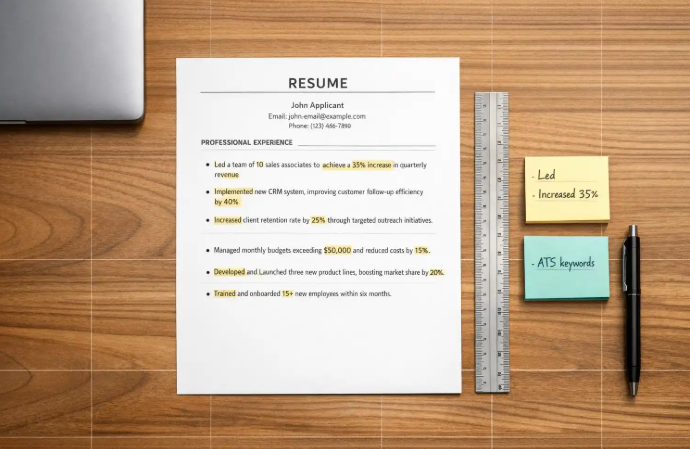
Instead of saying that you “managed social media accounts,” you could explain that you managed several accounts and increased engagement through a consistent content strategy.
Numbers can make achievements more convincing when they’re accurate. Mention sales increases, time saved, projects completed, customers served, or other measurable results when appropriate.
Employers want to know what difference you made, not just what tasks appeared on your job description.
Keep Your Resume Focused
Your resume doesn’t need to tell your entire professional story. It needs to tell the right story for the position you want.
Review every section and remove information that feels unnecessary. Give more space to experience that demonstrates relevant skills, recent achievements, and career growth.
A focused resume is usually easier to read and easier for a hiring manager to understand.
Review Your Resume Before You Submit It
Finally, take a few minutes to review your resume from the employer’s perspective.
Does your strongest experience stand out? Are the most relevant skills easy to find? Have you included achievements rather than only responsibilities?
If you’re preparing to สมัครงาน, customize your resume for the specific position whenever possible. Even small changes can make a big difference.
The goal isn’t to create the longest resume possible. It’s to create one that quickly answers an important question: why should this employer consider you?
Choose your experience carefully, focus on what matters, and let your strongest work speak for itself.
