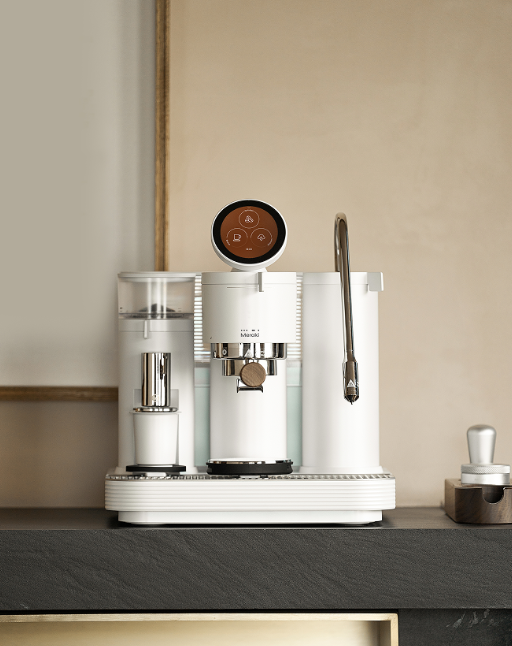
Every home coffee lover reaches a moment when the setup that once felt exciting starts to feel like a chore. The grinder is noisy, the scale has a dead battery again, the counter looks like a small workshop, and the morning routine takes longer than the coffee is worth. That moment does not automatically mean you need a new machine. Sometimes a better bean, a cleaner grinder, or a simpler recipe is enough. But sometimes the friction is structural: too many separate pieces, each adding a step, a cable, or a chance to go wrong. Knowing which kind of problem you have is the first step to a sensible upgrade.
The signs that an upgrade is genuinely due
A good upgrade solves a specific frustration, not a vague desire for something new. Start by noticing where your current routine breaks down. Do you skip making espresso on busy mornings because the setup takes too long? Do your shots vary wildly from day to day, even with the same beans? Is the grinder inconsistent, leaving you with a mix of fine dust and coarse chunks? Do you dread cleaning, so maintenance gets postponed until the taste suffers? If you answered yes to several of those, the issue is probably the system as a whole, not one weak link.
It also helps to look at how your tastes have changed. Many people start with a simple machine and a bag of supermarket beans, then gradually discover they care about roast freshness, grind size, and milk texture. A beginner setup that was perfect two years ago may now be holding you back, because it cannot grind finely enough, hold temperature steadily, or steam milk to the texture you want. Growth is a legitimate reason to upgrade, provided the new machine matches the skills you have actually developed, not the barista you imagine becoming.
What an all-in-one actually changes
The main promise of an integrated machine is not a single feature but the removal of hand-offs. Instead of grinding into a separate container, weighing it, transferring it, and then brewing, the steps happen in one place, with the machine keeping track of dose and weight for you. That reduces the small errors that add up: coffee spilled on the counter, a dose that is a gram or two off, a grind setting that drifted without you noticing. For weekday mornings, that consistency is often more valuable than any exotic feature.
Integration also changes the learning curve. A separate grinder and machine require you to learn two devices, each with its own quirks. An all-in-one presents one workflow, which is easier to repeat and easier to teach to someone else in the household. It simply moves your attention from managing equipment to tasting the result, which is where most people would rather spend it.
When to hold off and improve what you have
Not every frustration justifies a new purchase. If your machine still brews well but your coffee tastes flat, try fresher beans first, ideally roasted within the last few weeks and stored away from light and air. If shots are inconsistent, check whether your grinder needs cleaning or new burrs, and whether you are dosing consistently. If milk texture is the problem, a short practice session with cold milk and a clean steam wand often helps more than new hardware. These fixes cost little and sometimes reveal that your current setup was never the real problem.
Comparing integrated systems with traditional rivals
Traditional rivals have their own strengths, and it is worth being honest about them. A well-known brand such as Breville has built its reputation on machines that are approachable, widely available, and supported by a large community of users sharing recipes and tips. For many buyers, that ecosystem is reassuring. A comparison such as Meraki vs Breville is therefore useful, not as a contest with a single winner, but as a way to see two different answers to the same question: how much should the machine do for you?
Meraki’s answer leans further toward integration, with a built-in grinder, scales, and guided brewing in one unit. The traditional approach leans toward flexibility, letting you pair a machine with a grinder of your choice and upgrade each separately. If you enjoy researching components and tinkering, flexibility may suit you. If you want the counter tidier, the routine shorter, and the results more repeatable, integration is the stronger argument. Neither choice is a mistake; they simply suit different kitchens and temperaments.
The practical questions to ask before you buy
Before committing, run through a short checklist that has nothing to do with specifications. How much counter space can you genuinely spare, including room to open the grinder and remove the water tank? How many drinks do you make on a typical morning, and how long are you willing to wait between them? Who else will use the machine, and how comfortable are they with a multi-step process? What will cleaning look like on a Sunday evening when you are tired? Honest answers here often matter more than a comparison chart, because they describe your real life rather than an idealised version of it.
Also consider the longer view. A machine you buy today should still suit you in three years, when your routine, household, or tastes may have shifted slightly. Look for solid build quality, straightforward maintenance, and support that does not disappear after the warranty ends. A machine that is easy to live with tends to stay in use, while a machine that demands constant attention, however impressive, often ends up pushed to the back of a cupboard.
Making the call
If your current setup regularly slows you down, produces inconsistent shots despite fresh beans and good technique, or simply takes up more space and patience than you have, then exploring an upgrade path makes sense. The dedicated page for a Meraki espresso machine upgrade sets out that route in one place, which can help you compare what you have now with what an integrated system would change. If, on the other hand, your frustrations are recent, specific, and fixable with beans, cleaning, or practice, give those fixes a month first. The best upgrade is the one you make for a clear reason, at the moment when your coffee routine genuinely needs it, not simply because a new model exists.
