One of the biggest shifts in backyard cooking over the past few years has been the move away from single-fuel equipment toward ovens that let cooks switch between fuel types depending on the occasion. Instead of committing to wood-only or charcoal-only cooking, multi-fuel ovens give home cooks the freedom to adapt based on flavor preference, cooking time, or simply what’s on hand.
This article explores what that flexibility actually looks like in practice, how different fuel types affect flavor and cooking style, and why this adaptability has become such a valuable feature for backyard setups.
Why Fuel Flexibility Matters
Different fuels produce noticeably different cooking experiences. Wood delivers a distinct smoky character and can reach very high temperatures, ideal for authentic, Neapolitan-style pizza. Charcoal offers a different kind of smokiness, often described as more subtle and slightly more controllable than wood, while also burning hotter and more consistently for longer stretches.
Rather than forcing a choice between these two styles, multi-fuel ovens let cooks switch based on what a specific meal or occasion calls for.
See also: Using SMS to Simplify Insurance Quote Follow-Ups
Exploring Wood-Fired Cooking
A properly designed wood fired pizza oven remains one of the most rewarding ways to cook, particularly for those who enjoy the hands-on process as much as the result. Wood-fired cooking typically involves:
- Building and maintaining a proper fire before cooking
- Managing airflow to control temperature
- Achieving very high heat, often 900°F or more, for authentic crust texture
- Producing a distinct smoky flavor that’s difficult to replicate with other fuels
While it requires more attention and a bit of a learning curve, many cooks find the process itself part of the appeal, not just the final result.
Exploring Charcoal Cooking
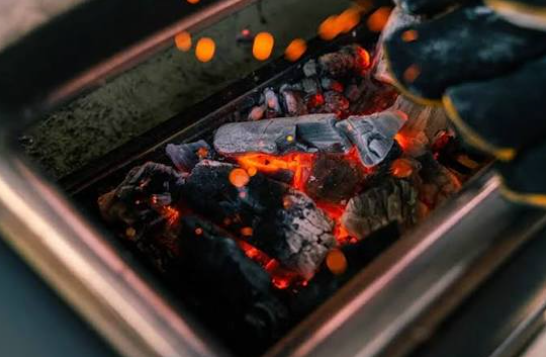
Charcoal offers a middle ground between the intensity of wood and the convenience of gas. It burns hotter and more evenly than wood in many cases, while still delivering a noticeably smoky flavor profile.
Benefits of charcoal cooking include:
- More consistent, controllable heat compared to wood
- Slightly faster setup than building a full wood fire
- A milder, more balanced smoky flavor
- Good versatility across both pizza and general grilling
For cooks who want some smoky character without the full commitment of wood-fired cooking, charcoal often serves as an ideal middle option.
Why Multi-Fuel Ovens Make Sense
Rather than choosing one fuel type permanently, a multi-fuel oven allows switching between wood, charcoal, and sometimes gas depending on the specific cooking session. This flexibility is particularly useful for households that:
- Host different types of gatherings – A relaxed weekend cookout might call for wood, while a quick weeknight pizza favors faster-burning charcoal or gas.
- Want to experiment with flavor – Switching fuels lets cooks compare results and find their preferred style over time.
- Value long-term investment – One oven covering multiple fuel types often costs less than purchasing separate single-fuel units.
Pairing Your Oven With the Right Grilling Setup
A multi-fuel pizza oven works especially well alongside versatile outdoor grills that offer similar flexibility. While the oven handles high-heat, fast-cooking dishes like pizza and flatbreads, a quality grill covers the rest of the menu, proteins, vegetables, and everyday grilling staples that round out a complete backyard cooking setup.
Together, this combination allows households to switch fuel types and cooking styles across their entire outdoor kitchen, not just within a single appliance.
Tips for Switching Between Fuels Successfully
Moving between fuel types isn’t always as simple as swapping materials. A few tips help ensure consistent results:
- Allow extra preheat time when switching to wood from a faster-burning fuel
- Monitor temperature closely, since wood and charcoal can behave differently even within the same oven
- Clean thoroughly between fuel types to prevent residue buildup affecting flavor
- Practice with each fuel separately before mixing techniques in a single cooking session
Final Thoughts
Multi-fuel ovens give home cooks a level of flexibility that single-fuel equipment simply can’t match. Whether it’s the deep, traditional character of wood-fired cooking or the more controllable, balanced flavor of charcoal, having both options within one oven means never having to compromise based on occasion or mood. Paired with a versatile grill setup, this flexibility can transform an entire backyard into a cooking space capable of handling virtually any style or gathering.
FAQ
1. Is charcoal easier to manage than wood in a multi-fuel oven?
Generally, yes. Charcoal tends to burn more consistently and requires slightly less active management compared to a full wood fire.
2. Do I need different accessories to switch fuel types?
Some multi-fuel ovens require minor adjustments or additional components, so it’s worth checking manufacturer guidelines for fuel switching.
3. Does charcoal produce as much smoky flavor as wood?
It produces a noticeable but generally milder smoky flavor compared to wood, offering a good middle ground for those who want some smokiness without full wood-fired intensity.
4. Can I mix wood and charcoal in the same cooking session?
Some cooks do combine fuels for specific flavor profiles, though it’s best to start with each fuel separately to understand how your oven performs with both.
5. Is a multi-fuel oven worth it if I already own a grill?
Yes, especially since the two serve different purposes, the oven excels at high-heat pizza cooking, while a grill remains better suited for everyday proteins and vegetables.
